Have you ever dreamed of exploring the vast expanse of the universe without leaving the comfort of your home? With Google Sky, that dream can become a reality. Google Sky is a revolutionary tool that allows users to delve into the cosmos, explore celestial objects, and gain a deeper understanding of the universe. From breathtaking images of galaxies to detailed maps of stars, this platform is a gateway for anyone curious about space.
In a world where technology brings the wonders of the universe to our fingertips, Google Sky stands out as a unique tool for space enthusiasts, educators, and curious minds alike. This powerful application leverages data from sources like NASA and the Sloan Digital Sky Survey to create an interactive and educational experience. Whether you're an amateur stargazer, a student, or a seasoned astronomer, Google Sky offers something for everyone by providing a user-friendly way to navigate the cosmos.
In this article, we'll dive into every aspect of Google Sky, from its features and functionalities to its practical applications. You'll discover how to explore space with Google Sky in ways you never thought possible. We'll also answer common questions, provide tips for optimizing your experience, and discuss how this tool is shaping the future of space exploration and education. Ready to embark on this cosmic adventure? Let's get started!
Table of Contents
- What is Google Sky?
- How Does Google Sky Work?
- Features of Google Sky
- What Can You See in Google Sky?
- How to Use Google Sky?
- Can Google Sky Help You Learn Astronomy?
- Step-by-Step Guide to Explore Space with Google Sky
- What Makes Google Sky Unique?
- How Does Google Sky Compare to Other Space Tools?
- Applications of Google Sky in Education
- Common Issues and Solutions
- Frequently Asked Questions
- The Future of Google Sky
- Why Should You Explore Space with Google Sky?
- Conclusion
What is Google Sky?
Google Sky is a web-based application that allows users to explore the universe through high-resolution imagery and data collected from some of the most advanced telescopes in the world. Developed by Google in collaboration with astronomical organizations like NASA, the European Southern Observatory (ESO), and the Sloan Digital Sky Survey (SDSS), this tool provides a unique way to navigate the cosmos.
Launched as an extension of Google Earth, Google Sky enables users to switch from a terrestrial view to a celestial one. It incorporates millions of images, including those from the Hubble Space Telescope, to create an interactive map of the night sky. By zooming in and out, users can explore stars, planets, galaxies, and other celestial objects in unparalleled detail.
Key Features of Google Sky- High-resolution images of celestial objects
- Interactive star maps and constellations
- Real-time astronomical data
- Integration with Google Earth
- Customizable layers for enhanced exploration
Google Sky isn’t just a tool for professional astronomers; it’s designed for anyone with an interest in space. Its accessibility and ease of use make it a valuable educational resource for schools, universities, and individual learners.
How Does Google Sky Work?
Google Sky operates by integrating astronomical data and imagery into a seamless user interface. The platform pulls data from multiple sources, including the Hubble Space Telescope, NASA's planetary missions, and ground-based observatories. These images and datasets are stitched together to create an interactive, zoomable map of the universe.
Technology Behind Google SkyThe technology behind Google Sky is both complex and fascinating. The application uses algorithms to process and layer astronomical data, creating a visually cohesive experience for users. Advanced APIs (Application Programming Interfaces) enable real-time updates and ensure that the data remains accurate and up-to-date.
How Does Google Sky Collect Data?- Images from space telescopes like Hubble
- Ground-based observatories across the globe
- Data from NASA's space missions
- Publicly available datasets from organizations like SDSS
This combination of sources ensures that Google Sky offers one of the most comprehensive views of the universe available online.
Features of Google Sky
One of the standout aspects of Google Sky is its range of features, which cater to both casual users and professional astronomers. Let’s dive into some of its most notable functionalities.
Interactive Star MapsWith Google Sky, users can view detailed star maps that display constellations, individual stars, and their relative positions. The interactive nature of these maps allows users to zoom in on specific areas and explore them in greater detail.
High-Resolution ImageryThe platform provides access to high-resolution images of celestial objects, including galaxies, nebulae, and planets. These images are sourced from some of the most advanced telescopes in the world, offering breathtaking views of the cosmos.
Customizable LayersGoogle Sky allows users to add or remove layers to customize their view of the universe. For example, you can overlay constellation lines, star names, or images from the Hubble Space Telescope to enhance your exploration.
Real-Time DataThe application includes real-time astronomical data, such as the current positions of planets and the phases of the moon. This feature is particularly useful for amateur astronomers and stargazers.
What Can You See in Google Sky?
Google Sky opens up a universe of possibilities, quite literally. Here’s a glimpse of what you can explore:
Stars and ConstellationsGoogle Sky allows you to view stars and constellations in stunning detail. You can learn about their names, positions, and historical significance.
Galaxies and NebulaeZoom in to explore distant galaxies and colorful nebulae. Google Sky provides high-resolution images that reveal the intricate beauty of these celestial objects.
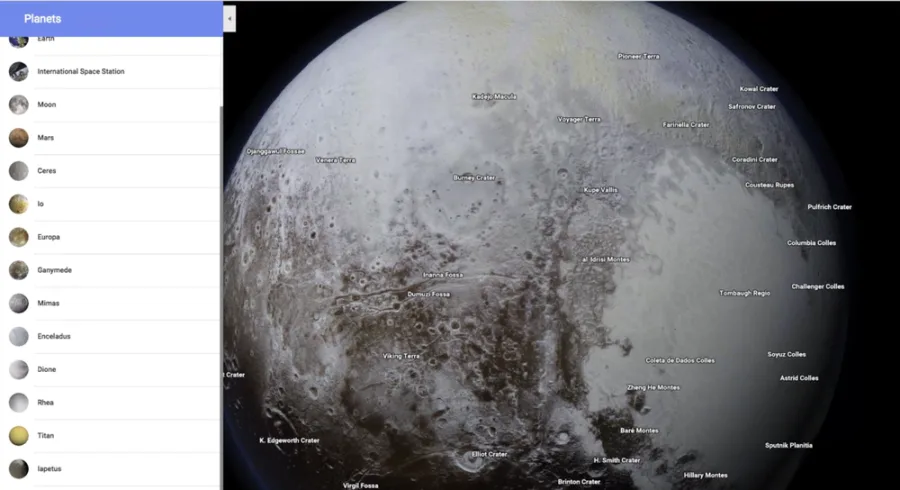
Planets and MoonsTrack the positions of planets in our solar system and view detailed imagery of their surfaces. You can also explore the moons of planets like Jupiter and Saturn.
Deep Space ObjectsFor those interested in deep-space exploration, Google Sky offers views of quasars, black holes, and other far-off phenomena.
How to Use Google Sky?
Using Google Sky is straightforward, but here’s a step-by-step guide to help you get started:
- Visit the Google Sky website or access it through Google Earth.
- Choose the celestial view you want to explore (e.g., stars, galaxies, planets).
- Use the zoom and pan tools to navigate the map.
- Click on specific objects for more information.
- Customize your view by adding or removing layers.
Whether you’re a beginner or an experienced astronomer, these steps will help you make the most of Google Sky.
Can Google Sky Help You Learn Astronomy?
Absolutely! Google Sky is an invaluable resource for anyone interested in learning about astronomy. Its interactive features and wealth of information make it an excellent educational tool.
Educational ApplicationsGoogle Sky can be used in classrooms to teach students about the universe. Its visual and interactive nature makes complex astronomical concepts easier to understand.
Self-Learning OpportunitiesFor self-learners, Google Sky offers endless opportunities to explore and learn. Whether you’re studying for a school project or pursuing a personal interest, this tool has you covered.
Step-by-Step Guide to Explore Space with Google Sky
Exploring space with Google Sky is an exciting experience. Follow this guide to get started:
- Open Google Sky in your web browser.
- Choose what you want to explore: stars, planets, galaxies, etc.
- Use the search bar to find specific objects or regions.
- Adjust the layers to customize your view.
- Zoom in and out to explore different levels of detail.
With these steps, you’ll be navigating the cosmos like a pro in no time!
Frequently Asked Questions
1. Is Google Sky free to use?Yes, Google Sky is completely free to use and accessible to anyone with an internet connection.
2. Can I use Google Sky on my mobile device?Yes, Google Sky is compatible with mobile devices and can be accessed through the Google Earth app.
3. Does Google Sky provide real-time data?Yes, Google Sky includes real-time data for certain celestial objects, such as the positions of planets.
4. Can I download images from Google Sky?While you can’t directly download images, you can take screenshots for personal use.
5. What are the system requirements for using Google Sky?Google Sky works on most modern web browsers and doesn’t require any special software or hardware.
6. Is Google Sky suitable for professional astronomers?While Google Sky is primarily designed for casual users, its high-resolution imagery and real-time data make it a useful supplementary tool for professional astronomers.
Conclusion
Google Sky is more than just a tool; it’s a window into the universe that empowers users to learn, explore, and appreciate the cosmos. Whether you’re a casual stargazer or a seasoned astronomer, this platform offers something for everyone. So why wait? Dive into the wonders of the universe and explore space with Google Sky today!