In today’s fast-paced digital landscape, local rankings have become a cornerstone of successful online visibility for businesses. Whether you’re a small business owner, a digital marketer, or an SEO professional, knowing how to check local rankings is essential to staying competitive in local search results. With search engines like Google constantly evolving, it’s crucial to monitor and understand how your business ranks for location-based queries.
Local rankings directly impact how your business is perceived by potential customers searching for services or products in your area. By keeping a close eye on your local rankings, you can identify areas for improvement, track the success of your SEO strategies, and make data-driven decisions to enhance your online presence. Tools, tactics, and best practices for checking local rankings are abundant, but understanding which ones to use can make all the difference in your marketing efforts.
This comprehensive guide will take you through everything you need to know about how to check local rankings effectively. From the basics of understanding local SEO to advanced tools and strategies, we’ll cover it all. By the end of this article, you’ll be equipped with actionable insights to optimize your local search visibility and drive more traffic to your business.
Table of Contents
- What Are Local Rankings?
- Why Are Local Rankings Important?
- How Do Local Rankings Work?
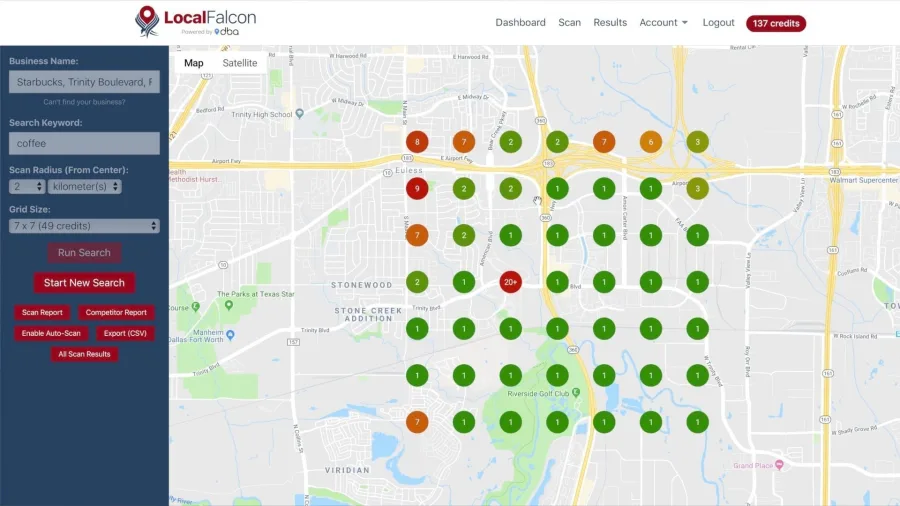
- Tools to Check Local Rankings
- How to Manually Check Local Rankings?
- Key Factors Affecting Local Rankings
- How to Improve Your Local Rankings?
- Understanding Local SEO
- Common Mistakes in Checking Local Rankings
- How to Interpret Local Ranking Data?
- Local Ranking Trends in 2023
- Impact of Google My Business on Local Rankings
- Case Study: Success in Local Rankings
- FAQs About Checking Local Rankings
- Conclusion
What Are Local Rankings?
Local rankings refer to the position your business holds in local search engine results pages (SERPs) when users search for services or products within a specific geographical area. For example, if someone searches for “best coffee shops near me,” the results displayed are influenced by local rankings. These rankings are determined by factors such as proximity, relevance, and the overall quality of your online presence.
Local rankings are crucial for businesses that rely on foot traffic, local clientele, or geographically-targeted services. They allow your business to appear in searches made by users who are most likely to convert into paying customers because of their proximity to your location.
Search engines like Google prioritize local results that align with the user’s intent, making it vital for businesses to focus on local SEO strategies. Understanding your local ranking position is the first step in optimizing your visibility and ensuring your business stays competitive in the digital marketplace.
Why Are Local Rankings Important?
Local rankings are more than just numbers—they can directly influence your business’s success. Here’s why they matter:
- Increased Visibility: Local rankings help your business appear in front of potential customers who are actively searching for your services in your area.
- Improved Credibility: Businesses that rank higher in local search results are often perceived as more trustworthy and reliable.
- Higher Conversion Rates: Local searches typically lead to higher conversion rates compared to generic searches because of the user’s intent to buy or inquire.
- Competitive Edge: Monitoring your local rankings allows you to stay ahead of competitors by identifying areas for improvement and capitalizing on trends.
How Do Local Rankings Work?
Local rankings are determined by a combination of factors that search engines use to evaluate your business’s relevance and proximity to the searcher. These factors include:
- Proximity: How close your business is to the user’s location or the location they specify in their search query.
- Relevance: How well your business matches the user’s search intent, including the keywords used in your website and Google My Business profile.
- Prominence: The overall authority of your business online, which includes reviews, ratings, and backlinks.
Google’s algorithm uses signals like customer reviews, consistent NAP (Name, Address, Phone Number) information, and website optimization to determine local rankings. It’s important to stay updated on algorithm changes to maintain strong local visibility.
Tools to Check Local Rankings
Several tools can help you effectively monitor and analyze your local rankings. Here are some of the most popular options:
- Google My Business Insights: A free tool that provides valuable data about how customers find your business online.
- SEMrush: Offers comprehensive local SEO tracking features, including local keyword rankings and competitor analysis.
- BrightLocal: A dedicated local SEO tool designed to track rankings, manage reviews, and audit local SEO performance.
- Ahrefs: Tracks local keywords and backlinks to help improve your local rankings.
Using these tools allows you to:
- Track changes in your local rankings over time.
- Identify areas for improvement in your local SEO strategy.
- Compare your performance against competitors.
How to Manually Check Local Rankings?
If you prefer a hands-on approach, you can manually check your local rankings by following these steps:
- Open an incognito or private browsing window.
- Search for your target keywords combined with your location (e.g., “plumber in Los Angeles”).
- Analyze the results to see where your business appears on the SERPs.
- Repeat this process for multiple keywords and locations to get a comprehensive view.
While manual checking can provide a quick snapshot of your local rankings, it’s less reliable than using specialized tools because it doesn’t account for variations in searcher behavior or advanced analytics.
Key Factors Affecting Local Rankings
Several factors influence your local rankings, including:
- Google My Business Optimization: Ensuring your profile is complete and accurate.
- Local Keywords: Using location-specific keywords in your content and meta descriptions.
- Customer Reviews: Encouraging positive reviews to enhance your online reputation.
- Backlinks: Building high-quality backlinks from local websites.
How to Improve Your Local Rankings?
Improving your local rankings requires a combination of on-page and off-page strategies:
- Optimize your website for local keywords.
- Create location-specific landing pages.
- Encourage and respond to customer reviews.
- Build citations on local directories.
- Monitor and update your Google My Business profile regularly.
Understanding Local SEO
Local SEO is the process of optimizing your online presence to attract more business from local searches. It involves strategies like improving your Google My Business profile, optimizing for local keywords, and earning positive reviews.
Common Mistakes in Checking Local Rankings
Avoid these pitfalls when monitoring your local rankings:
- Ignoring mobile search results.
- Failing to account for location-specific variations.
- Relying solely on manual checks without using tools.
How to Interpret Local Ranking Data?
When analyzing your local ranking data, focus on trends rather than individual metrics. Look for patterns in traffic, conversions, and keyword performance to identify what’s working and what needs improvement.
Local Ranking Trends in 2023
Stay ahead of the game by keeping an eye on emerging trends like voice search optimization, mobile-first indexing, and the growing importance of customer reviews in local SEO.
Impact of Google My Business on Local Rankings
Your Google My Business profile is a critical component of local rankings. Make sure it’s fully optimized with accurate information, high-quality images, and regular updates.
Case Study: Success in Local Rankings
Learn from real-world examples of businesses that improved their local rankings by implementing effective SEO strategies and monitoring tools.
FAQs About Checking Local Rankings
1. How often should I check my local rankings? It’s recommended to check your local rankings at least once a month to stay updated on changes.
2. Can I check local rankings for multiple locations? Yes, tools like SEMrush and BrightLocal allow you to track rankings for multiple locations.
3. Does mobile search impact local rankings? Absolutely. Mobile search results are often different from desktop results, so it’s important to optimize for both.
4. Are reviews important for local rankings? Yes, positive reviews can significantly boost your local rankings and attract more customers.
5. What is the role of backlinks in local SEO? High-quality backlinks from local websites can improve your authority and local rankings.
6. Can I improve local rankings without a website? While it’s possible to rank locally with just a Google My Business profile, having a website adds credibility and improves your chances of ranking higher.
Conclusion
Checking local rankings is an essential part of any successful local SEO strategy. By understanding how local rankings work, utilizing the right tools, and implementing best practices, you can improve your visibility, attract more customers, and stay ahead of the competition. Start monitoring your local rankings today to unlock new growth opportunities for your business.